Solar Installation in Cranston
Colonial revivals, ranches, capes, and some of the biggest lots in Rhode Island — Cranston has the rooftops and the yard space to make solar work. Here is how it happens.
Get Your Free QuoteFrom Garden City Ranches to Western Cranston Acreage — Solar Fits Here
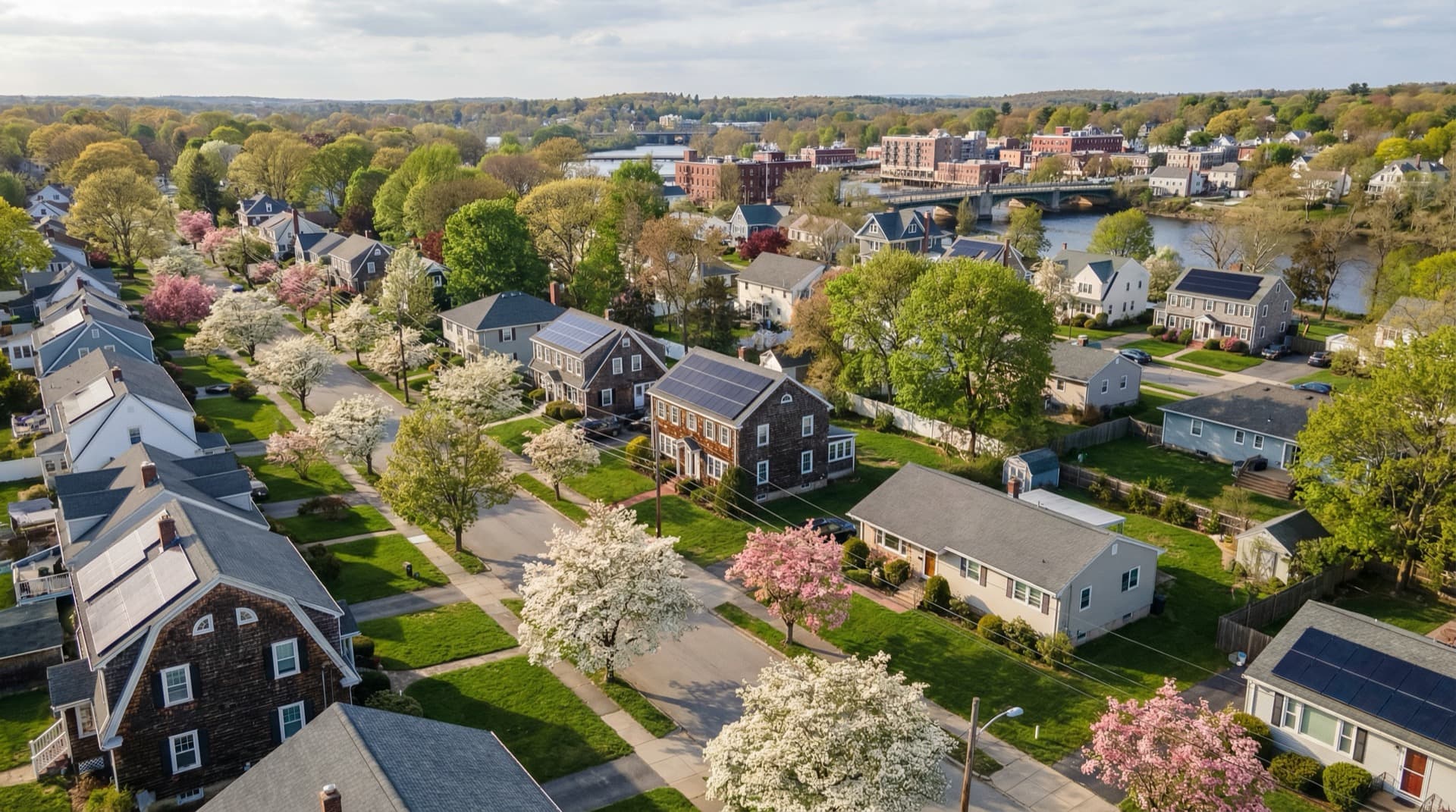
Cranston is a solar installer's playground. The city spans everything from compact Edgewood colonials near the Providence line to sprawling lots in Western Cranston where your nearest neighbor is a stone wall and a tree line. That range means Cranston homeowners have options most Rhode Islanders don't — rooftop solar on the house, ground-mount arrays in the backyard, or both. The colonial revivals and ranches that define neighborhoods like Garden City, Knightsville, and Oaklawn deliver exactly the kind of wide, pitched rooflines that maximize panel placement.
Unlike Providence's dense triple-decker neighborhoods or Warwick's coastal salt-air challenges, Cranston offers straightforward installation conditions for most homes. No historic district overlay to navigate. No marine-grade hardware requirements unless you are in the Pawtuxet Village waterfront area. With National Grid charging 27–28 cents per kWh and Rhode Island pushing toward 100% renewable electricity by 2033, the installation process in Cranston is as smooth as it gets — and the payoff starts the day your system goes live.
Installation Process
Site Assessment & System Design
A licensed structural engineer evaluates your property — whether it is a ranch in Garden City, a colonial revival in Knightsville, or a 2-acre lot in Western Cranston. Roof pitch, orientation, shading from mature trees, and structural load capacity are all measured. For homeowners with large yards, the engineer also assesses ground-mount feasibility — Western Cranston properties are some of the few in Rhode Island where ground-mount solar is a realistic option without variances.
City of Cranston Building Permit
Your installer submits building and electrical permit applications to the Cranston Building Department. Residential solar permits in Cranston typically take 2 to 5 weeks. Cranston has no historic district overlay complicating the review, so the process is straightforward — structural calculations, electrical diagrams, and a site plan are submitted, and the city handles the rest.
National Grid Interconnection Application
While city permits are processing, your installer files an interconnection application with National Grid. For residential systems under 25 kW, National Grid typically responds within 15 to 30 business days. This runs in parallel with the building permit so your overall timeline stays tight.
Installation Day
A crew of 3 to 5 licensed electricians arrives and gets to work. For rooftop systems on Cranston's pitched-roof homes — ranches, capes, colonial revivals — standard rail mounts are lag-bolted into rafters with proper flashing on asphalt-shingle roofs. Most rooftop installations wrap up in a single day. Ground-mount systems in Western Cranston take 2 to 3 days, including concrete pier foundations and racking assembly. Either way, the panels are wired to an inverter and connected to your electrical panel.
Inspection & Permission to Operate
A city electrical inspector verifies code compliance. Once passed, National Grid schedules a bi-directional meter swap and issues Permission to Operate — typically 2 to 4 weeks after inspection. Then your system goes live: generating clean energy, earning REG Program payments, and cutting your National Grid bill.
Cranston Permits: No Historic Hoops, No Coastal Complications
All Cranston solar installations require a building permit and an electrical permit from the city's Building Department. The residential process is straightforward — typically 2 to 5 weeks from submission to approval. Your installer handles all the paperwork: structural calculations, electrical diagrams, and a site plan showing panel layout and setbacks. Unlike Providence, there is no historic district overlay adding extra review layers.
Ground-mount systems in Western Cranston follow the same permitting process but may require confirmation that the array meets setback requirements from property lines and structures. The Building Department reviews these as part of the standard application — no special variances are needed for residential ground-mount solar in most cases. Your installer should be familiar with Cranston's specific setback rules to keep the approval process on track.
Cranston Roof Types: Colonial Revivals, Ranches, and Ground-Mount Potential
Cranston's housing stock is diverse but consistently solar-friendly. The colonial revivals and capes that fill Garden City, Knightsville, and Edgewood feature steep-pitched roofs with solid framing — ideal for standard rail-mount installations. Ranch-style homes throughout Oaklawn and Western Cranston offer long, uninterrupted south-facing roof planes that maximize panel count. Standard installation involves lag-bolting rail mounts into rafters with flashed brackets on asphalt-shingle roofs — the same proven technique used across thousands of New England homes.
Where Cranston truly stands out is ground-mount potential. Western Cranston lots — some exceeding an acre — give homeowners a second option that is rare in compact Rhode Island. Ground-mount arrays use concrete pier foundations and adjustable tilt racking, letting the system face optimal south at the perfect angle regardless of your roof's orientation. If your roof is shaded by mature oaks or your house faces east-west, a ground-mount in the backyard can capture every available hour of sunlight. It is a luxury that Garden City or Edgewood homeowners might not have, but for Western Cranston, it is a game-changer.
What to Expect on Installation Day in Cranston
Most rooftop installations in Cranston wrap up in a single day. A crew arrives in the morning, stages equipment in your driveway or yard, and begins mounting racking. Cranston's suburban streets are wide and easy to navigate — no one-way triple-decker corridors like Pawtucket or narrow Providence side streets. The work truck parks in the driveway, panels go up through the afternoon, and wiring connects to your inverter and main panel by end of day.
Ground-mount installations in Western Cranston take a bit longer — typically 2 to 3 days. Day one is concrete pier foundations, day two is racking assembly and panel mounting, and day three is electrical connection and cleanup. After either type of installation, your system waits for city inspection and National Grid Permission to Operate, typically 2 to 4 weeks. Once PTO is granted, your panels start generating clean energy, earning REG Program income, and banking net metering credits on your National Grid account. Whether you are grabbing dinner in Pawtuxet Village or shopping at Garden City Center, your system is working.
Frequently Asked Questions
✶Can I install ground-mount solar panels in Cranston?+
✶How long does the solar permit process take in Cranston?+
✶What roof types work best for solar in Cranston?+
✶How long does National Grid interconnection take in Cranston?+
✶What size solar system fits a typical Cranston home?+

Cranston National Grid Bills Keep Climbing
National Grid rates in Cranston have climbed dramatically — and there is no sign of relief. Lock in a lower rate today with solar.
See How Much You Can SaveWhat's Really on Your National Grid Bill?
57% of your bill is hidden fees and charges!
Delivery Charges
Customer charges, energy efficiency surcharges, and renewable energy charges make up the hidden fees on your National Grid bill.
17%
of your bill
Distribution
Covers the poles, wires, and infrastructure delivering power to your Cranston home.
27%
of your bill
Transmission
What National Grid charges for transporting power from generation sources to local distribution lines in Rhode Island.
13%
of your bill
Actual Supply
The electricity you actually use—just 43% of what you pay.
43%
of your bill
Solar Eliminates All These Charges
When you go solar, you no longer rely on the utility company to produce electricity—and no longer have to pay their ridiculous charges. Instead, you produce your own power with a low, locked-in solar rate.
Eliminate Your Electric Bill TodayIs Solar Really Free in Cranston?
While you can't technically get "free" solar panels, they are "free" in the sense that you can expect to pay less for solar than you already do for National Grid electricity — and it costs nothing to make the switch.
You're swapping out an unpredictable and constantly increasing National Grid bill for a price-protected solar payment that is usually about 40% lower. The REG Program income is an additional revenue stream on top of the savings.
Need a New Roof? Bundle and Save.
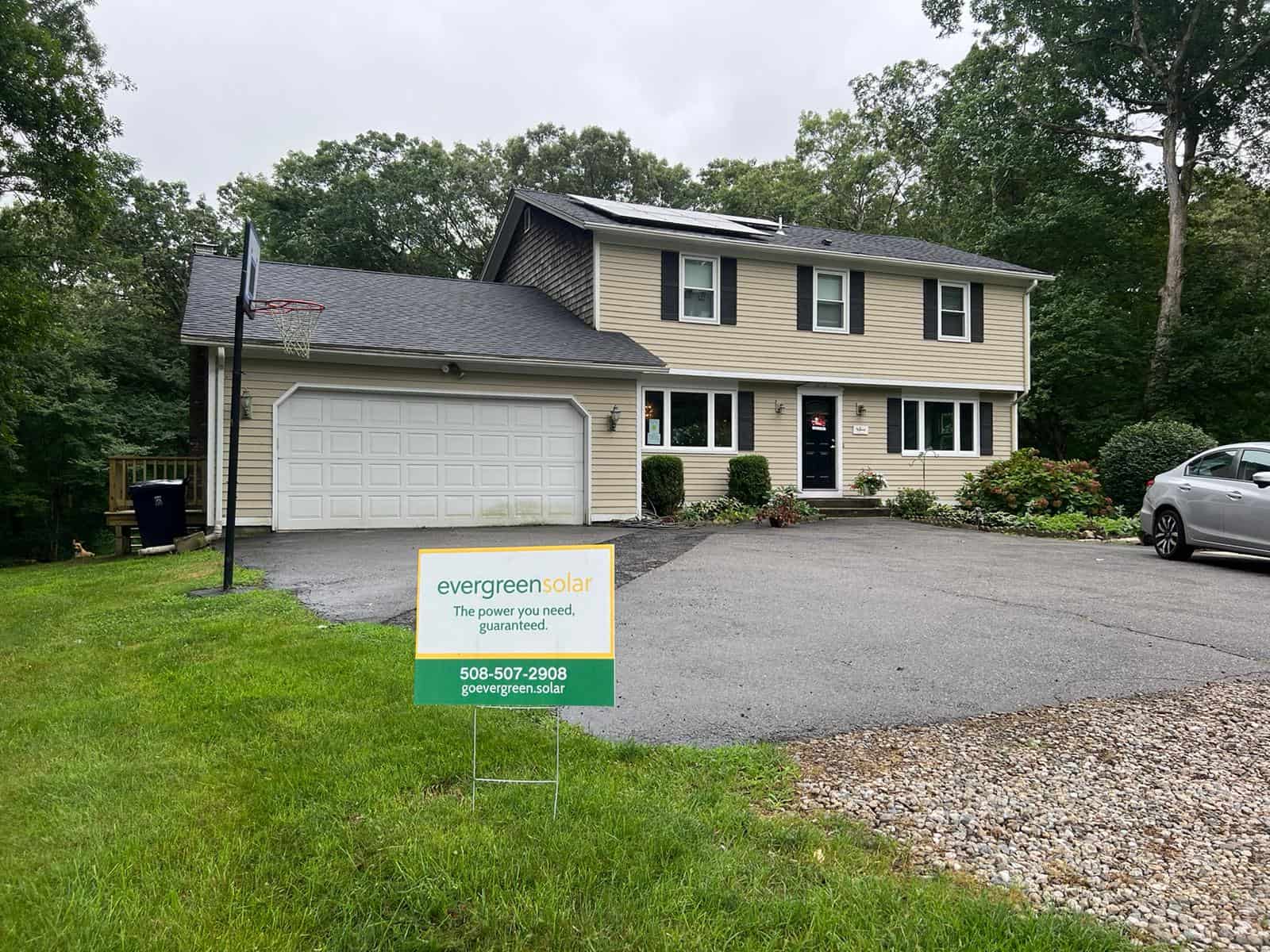
Our Roof + Solar Bundle makes it easy for Cranston homeowners to get a new roof and solar at the same time. Especially for older colonial revivals in Garden City or Knightsville, updating the roof before panels go on protects both your roof and your solar investment for decades.
Learn About Roof + SolarReady to Install Solar in Cranston?
Get a free quote from installers who know Cranston's building department, National Grid interconnection, and both rooftop and ground-mount options. From Garden City to Western Cranston, we handle it all.
Get Your Free Quote