Rhode Island Solar Incentives and Programs
We may be the smallest state, but we're big on solar.
The Ocean State punches above its weight when it comes to solar savings. Here's every program working in your favor.
See Your SavingsThe Smallest State with Some of the Biggest Solar Savings
Rhode Island may be the smallest state by area, but it has one of the most aggressive clean energy mandates in the country — 100% renewable electricity by 2033 under the Act on Climate. That urgency translates into real dollars for homeowners. Between the REG Program, Renewable Energy Fund grants, full 1:1 net metering, and tax exemptions, Rhode Islanders have a toolkit of incentives that most states can only dream about.
And with National Grid charging 27–28 cents per kWh — roughly 65–70% above the national average — every kilowatt-hour your panels produce is worth more here than in almost any other state. The math isn't complicated: high rates plus strong incentives equals fast payback and serious long-term savings.
Federal Solar Investment Tax Credit — Built Into Your Plan
The residential solar tax credit (Section 25D) expired on December 31, 2025. That means Rhode Island homeowners can no longer claim a federal solar tax credit on their personal tax returns. But here's the good news: the savings didn't disappear — they just changed form.
Through solar leases and power purchase agreements (PPAs), the commercial Section 48 Investment Tax Credit is automatically applied by the solar provider. The result? Lower monthly payments for you, with zero tax paperwork and no refund to wait for. The federal credit savings are built right into your solar plan — every Rhode Island homeowner benefits, regardless of tax situation.
Solar Incentives and Rebates
✶Federal Solar Investment Tax Credit (Section 48 ITC)
✶Renewable Energy Growth (REG) Program
✶RI Renewable Energy Fund (REF) Grants
✶Net Metering — Full 1:1 Retail Rate Credits
✶100% Property Tax Exemption
✶7% Sales Tax Exemption on Solar Equipment
✶Green Loans Through RI Infrastructure Bank
National Grid Rates: Why RI Homeowners Are Going Solar
National Grid serves roughly 97% of residential electricity customers in Rhode Island — so when we talk about electric rates here, we're really talking about one company. Their current residential rate sits around 27–28 cents per kWh (supply plus delivery), which lands Rhode Island well above the national average of about 16–17 cents. That's 65–70% more than most Americans pay.
Rates have climbed significantly over the past five years, with periodic spikes driven by wholesale energy cost pass-throughs. The small Pascoag Utility District serves a slice of Burrillville in the northwest corner, and Block Island Power Company covers the island — but for Providence, Warwick, Cranston, and Pawtucket, it's all National Grid, all the time. Going solar locks in a lower, predictable rate and breaks the cycle of annual increases.
Explore Cities
Frequently Asked Questions
✶What is the REG Program and how does it benefit Rhode Island homeowners?+
✶Can I still get a federal solar tax credit in Rhode Island?+
✶How does net metering work in Rhode Island?+
✶What grants are available for solar in Rhode Island?+
✶Will solar panels increase my property taxes in Rhode Island?+

National Grid Rates Keep Climbing
Rhode Island electricity rates are already 65–70% above the national average, and they're not slowing down. Lock in a lower rate with solar before the next National Grid increase hits.
See How Much You Can SaveWhat's Really on Your National Grid Bill?
57% of your bill is hidden fees and charges!
Delivery Charges
National Grid's delivery charges — including the customer charge and energy efficiency surcharge — make up a significant chunk of your bill beyond the supply rate.
17%
of your bill
Distribution
The cost of maintaining the poles, wires, and infrastructure that deliver power from the main lines to your Rhode Island home.
27%
of your bill
Transmission
What National Grid charges for moving electricity from power plants to local distribution networks across Rhode Island.
13%
of your bill
Actual Supply
The electricity you actually use—just 43% of what you pay.
43%
of your bill
Solar Eliminates All These Charges
When you go solar, you no longer rely on the utility company to produce electricity—and no longer have to pay their ridiculous charges. Instead, you produce your own power with a low, locked-in solar rate.
Eliminate Your Electric Bill TodayIs Solar Really Free in Rhode Island?
Technically, no — but in practice, most Rhode Island homeowners pay less for solar than they currently pay National Grid for electricity. And switching costs nothing upfront.
You're replacing an unpredictable National Grid bill that averages 27–28 cents per kWh with a fixed solar payment that's typically 30–40% lower. Factor in the REG Program payments and net metering credits, and it's about as close to free as energy gets in the Ocean State.
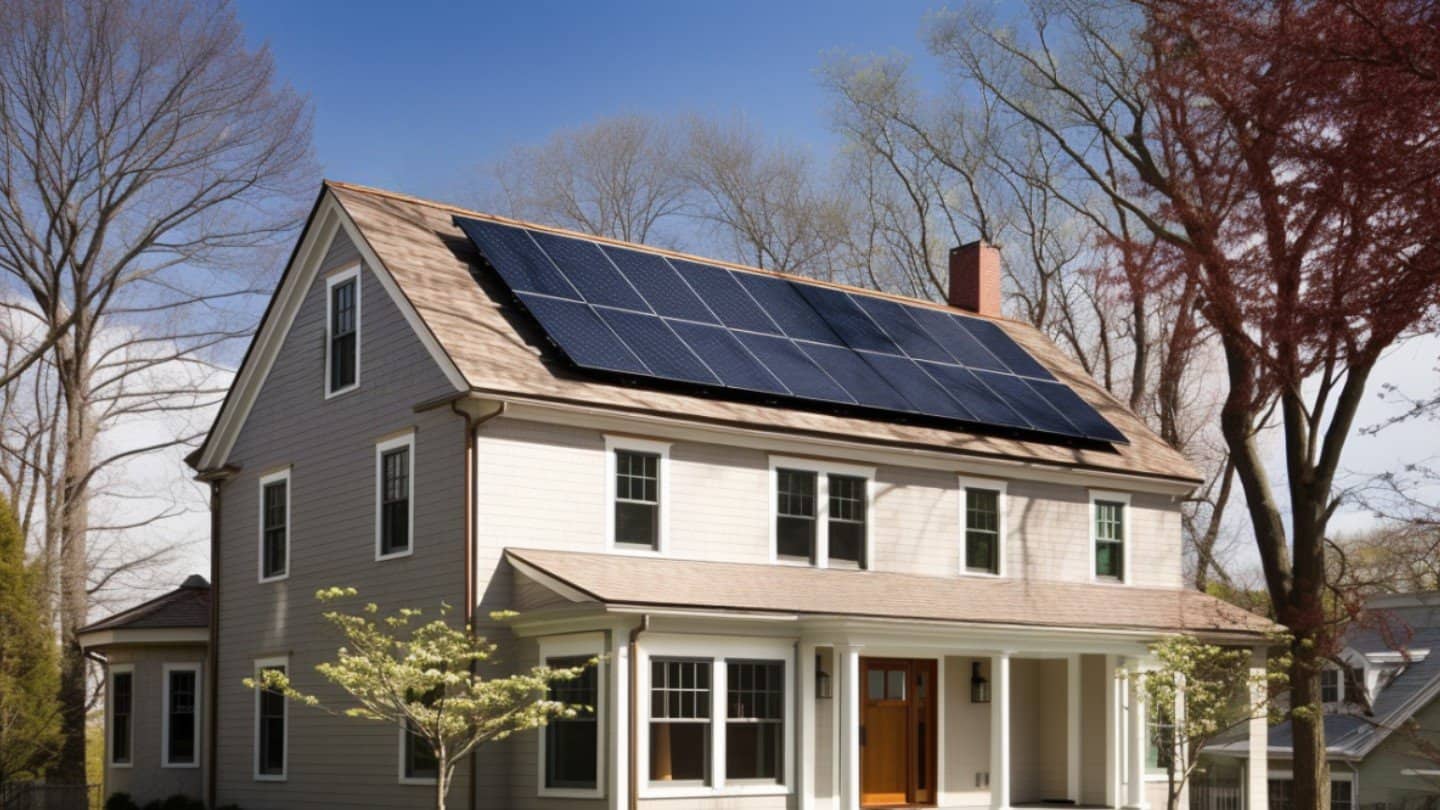
Need a New Roof? Bundle and Save.
Our Roof + Solar Bundle lets Rhode Island homeowners get a new roof and solar panels installed together. Since the roof is part of the solar project, you save by bundling — and your total monthly payment is still less than what National Grid charges for electricity alone.
Learn About Roof + SolarReady to Take Advantage of Rhode Island Solar Incentives?
Between the REG Program, REF grants, full net metering, and tax exemptions, Rhode Island homeowners have every reason to go solar. Get a free personalized quote and see exactly how much you can save.
Get Your Free Quote